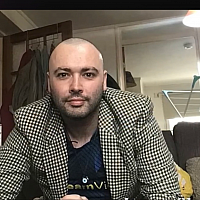
Video section and news and posts and older posts and talks and younger me pics

Not much has changed

Vintage me

Me when I was much younger
For everyone ⬇️
thing about when you get that big spiritual awakening, is we change enormously. Your mind set changes you. It's like or feels like a brain explosion or head been blew off. You then, well with me ever since ,I get new spiritual awakenings every other 1 or 2 days ever since the first big unexpected spiritual awakening . Your ego starts to deteriorate. Your non competitive. You just see yourself as one with everyone else and no better than everyone else. Tho before awakening you experience low dimensional emotions which unawakened people have . Like insecurity, sadness, depression, self obsession in a negative way, so competitive. Because in your awakening ,you learn is for everyone .

More vintage me
Natural steroids ⬇️
Natural steroids or plants that are steroidal hormone plants, are not like anabolic steroids , they effect you in a different way. They target protein synthesis and development of muscle mass and new muscle tissue. You won't feel anything crazy, so your just a natural lifter with an added little boost for your developing and development of new muscle mass and tissue
Wellness page below ⬇️
⬇️❤️

Giving me a strike is hate speech
Not be all and end all⬇️
Spiritual Awakening isn't the be all and end all, but it's like a door being opened in your heart and mind, and then you spend the rest of your life following this awakening . It's like a torch light flickering in your heart and mind , showing you the way. You simply just follow this light 💡. This light leads the way ultimately to source /god. Awakening shows this flickering light, but it's up to you to follow this light or not . This awakening , this light leads to enlightenment . But like anything else you've got to be dedicated. God is showing the way in awakening

Younger me on the piano

My dog Bobby . He’s 10 now
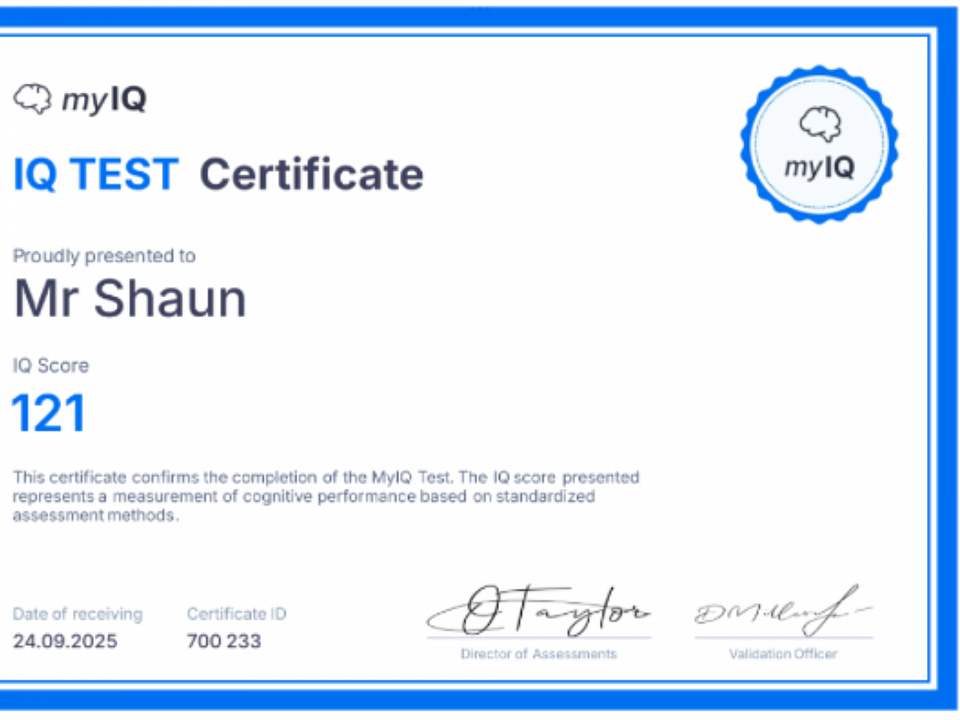
Did again