
Narcissism and how to heal it
your actually the narcissist ⬇️
A Person talking religiously against narcissism, is actually receiving narcissistic supply , from how it feels when this person is talking against and about narcissism
You are the narcissist actually ⬇️
The uncontrollable desire to label others narcissists, is a symptom of your own unconscious deep rooted insecurities
Judging is narcissistic ⬇️
Sometimes you can be wanting to judge and say he or she is a narcissist, because we actually are narcissistic and we expose that by judging. Very narcissistic is judging and calling others narcissists
Be aware of the narcs manipulation
If they are saying or are against you being stoic , then that person isn't happy with your emotional and spiritual defence, and they are trying to humiliate you
They always look for ways which they can gain control of you
A puppet ⬇️
the narcissistic parent , or parents , they pull you aside, till you become like them. No personality of your own. Just a repeater , a puppet for the dysfunctional narcissistic family system

The worst people are those that just want drama and arguments, they re narcissists
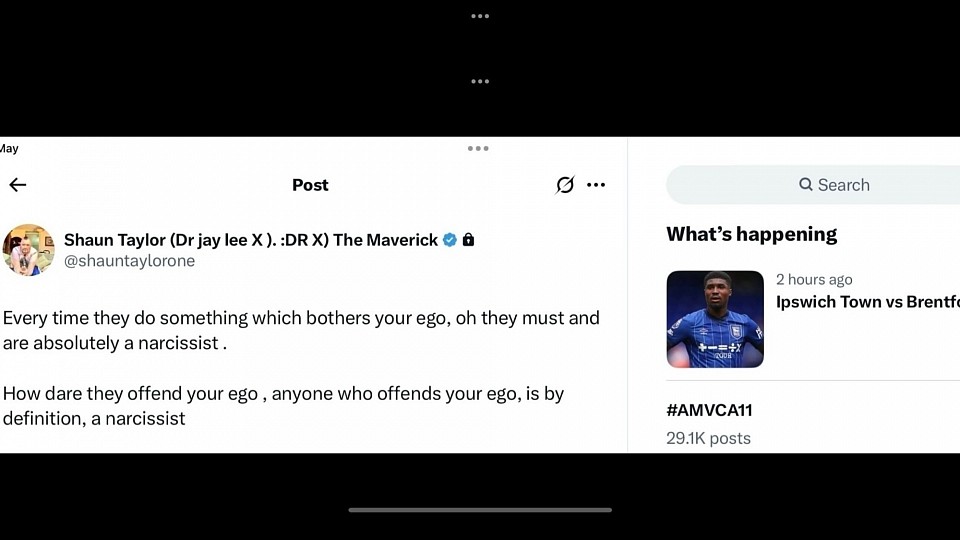
The narcissist within
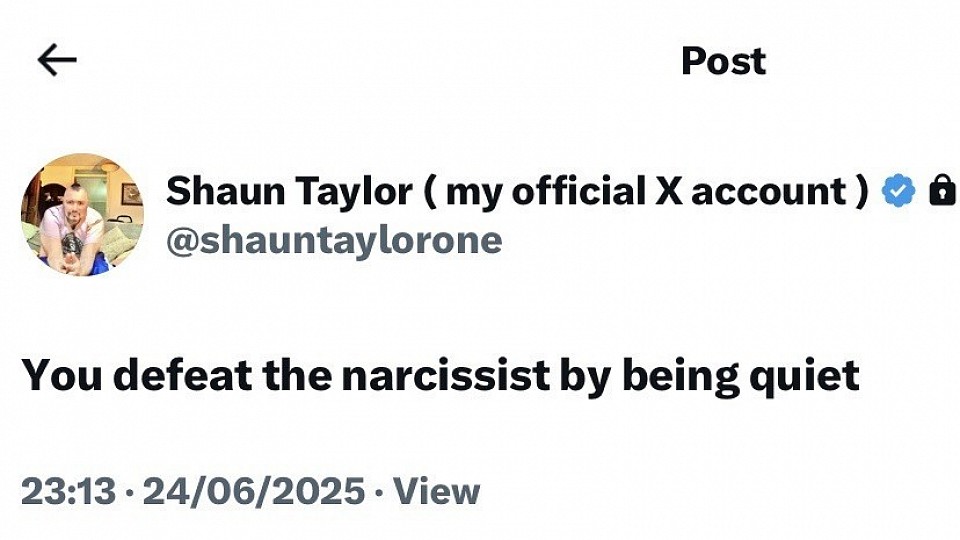
Be quiet
Pay attention when it comes to narcissists
-
PAY ATTENTION WHEN IT COMES TO NARCS:
Not reacting or not being pro active in your approach to narcs red flags, will be your biggest downfall
PAY ATTENTION WHEN IT COMES TO NARCS:
Not reacting or not being pro active in your approach to narcs red flags, will be your biggest downfall
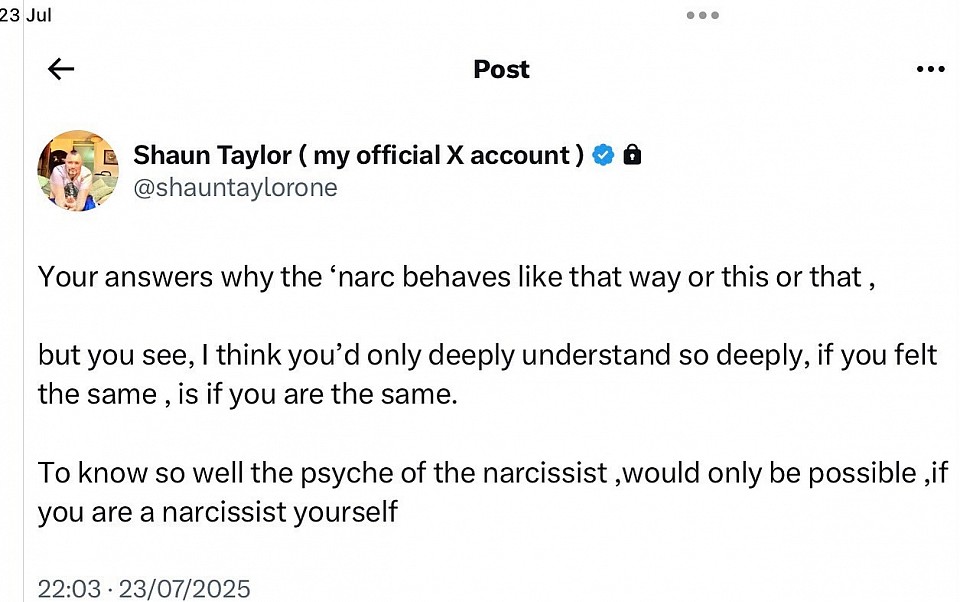
Just saying
The narcissist is within you, it's the why you feel the need to put narcissists down, it's because your narcissist within has been triggered
Being demonized in a narcissistic family refers to the systematic process where one member (often called the "scapegoat") is unfairly targeted with projected shame, rage, and blame. Narcissistic parents, who often view children as extensions of themselves rather than independent individuals, use this tactic to maintain control, avoid accountability, and uphold a distorted family narrative where the parent is the victim or hero. Core Dynamics of DemonizationThe Scapegoat Role: The targeted child or family member is made to carry the negative projections, insecurities, and unacknowledged faults of the narcissist.Reversal of Reality: A narcissistic family operates under a distorted system where normal, healthy behaviors (like setting boundaries or having independent thoughts) are labeled as "bad" or disloyal.Gaslighting and Smear Campaigns: Narcissists often spread lies or exaggerated, twisted truths to other family members and outsiders to damage the scapegoat’s reputation.Emotional Exploitation: The scapegoat is often used as an emotional "punching bag" to relieve the parent's anxiety and to avoid facing their own inadequacies.Triggered by Autonomy: If you are a "truth-teller" or have independent, healthy, and quiet traits, you may trigger the narcissist's shame, leading to intense demonization. Signs You Are Being DemonizedConstant Blame: You are blamed for the abuser's actions or for the family's general dysfunction.Extreme Verbal/Emotional Abuse: Vicious name-calling, cruel put-downs, and being treated as "useless" or "wicked".Loss of Reputation: Family members and friends may be turned against you due to lies spread by the narcissistic parent.Double Standards: You are punished for behaviors that others in the family are allowed to do without consequence.Infantilization: You are treated as an incompetent or difficult child, even in adulthood, to diminish your credibility. Long-Term Impact on the TargetInternalized Guilt and Shame: The scapegoat may start to believe they are, in fact, "bad" or the cause of all problems.Low Self-Esteem: A persistent feeling of being unloved, unwanted, or "a mistake".Trauma Bonding: The cycle of abuse makes it difficult to leave, leading to a pattern of fighting for approval.High Alertness: Development of hypervigilance and anxiety, often struggling with over-responsibility. How to Protect YourselfSet Boundaries: Establish firm, consistent boundaries, even if they result in pushback or "extinction bursts" (escalated negative behavior).Limit Contact (Low or No Contact): Reducing or removing contact is often necessary for peace and safety.Disengage from Arguments: Do not waste energy trying to defend yourself or change the narcissist's mind; they are unlikely to hear you.Seek Support: Utilize therapists who understand narcissistic abuse to help unpack the trauma and rebuild self-worth.Understand it’s Not Your Fault: Recognize that the demonization is a reflection of the narcissist's dysfunction, not your character. If you are facing this, remember that your feelings of hurt are valid, and you are allowed to protect yourself.
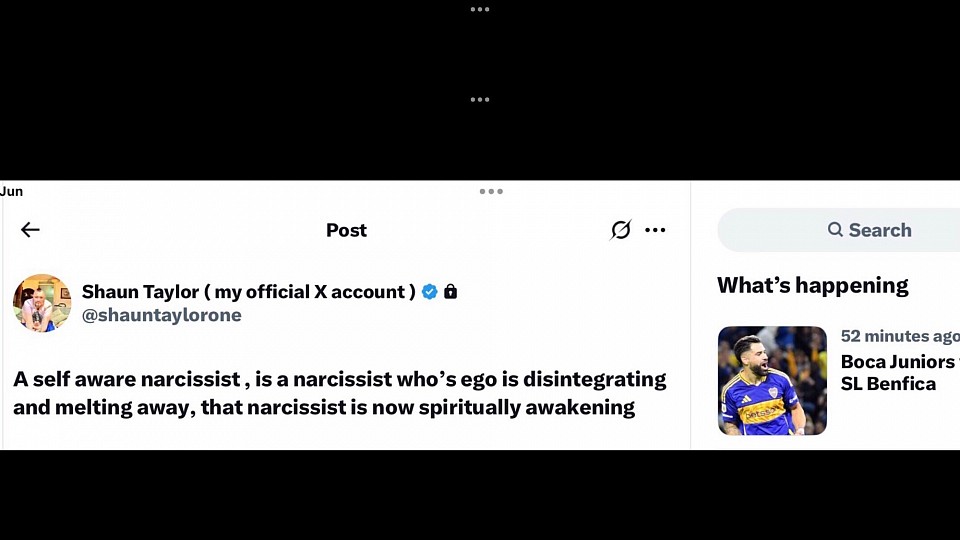
The self aware narcissist is spiritually awakening
You are the narcissist ⬇️
You are the narcissist ⬇️
People who get triggered and upset, and then say how someone in their life is a narcissist, actually don't realise that they themselves are displaying traits of narcissism
Anti narcissist narcissists ⬇️
there is anti narcissist narcissists , putting other narcissists down, in order to build their own narcissistic self up
The aging narc ⬇️
the aging narcissist is just a sad lonely old man, or woman

If I say , that he or she is a narcissist. I’m actually suggesting , that I’m not narcissistic or a narcissist, therefore there’s grandiosity there. Which is,,, What is it,, Tell me ,, It means I’m Narcissistic, ITS NARCISSISM
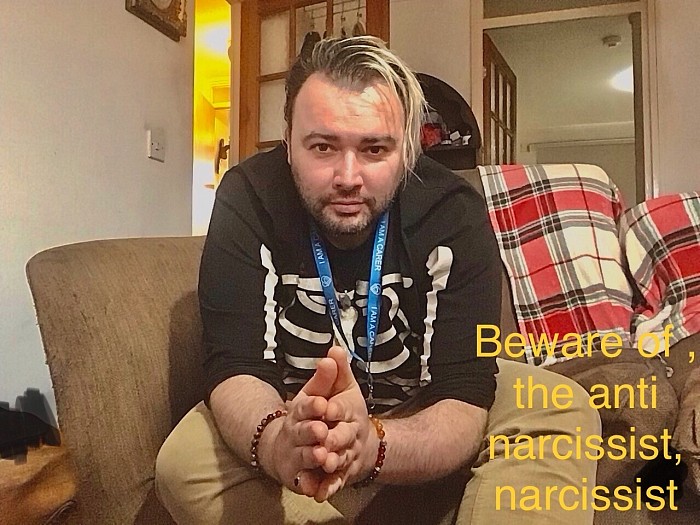
Everyone’s a narcissist, apart from them